Skip links

Custom Drapery in Gettysburg, PA

Custom Drapes Designed for the Way Your Home Lives

There is a moment in every room design when the right fabric pulls everything together. The wall color, the furniture, the flooring, the light itself. Custom drapery is that finishing layer. It is the element that takes a well-furnished room and makes it feel intentional, complete, and distinctly yours. At Schmitt’s Interiors, we have been designing and installing custom drapery for Gettysburg homeowners for more than 75 years. 

Our approach starts with your space, not a catalog. We listen to how you use the room, study the light, consider the architecture, and then help you choose a fabric, style, and lining combination that brings it all together. Call 717-334-4118 or visit our Gettysburg showroom. We will come to your home with fabric samples, discuss your design goals, and take measurements for a custom fit.

Drapery and Curtains Are Not the Same Thing

Most people use the words interchangeably, but there is a real difference between drapery and curtains, and it matters when you are investing in your home.

Curtains are typically made from lighter fabrics, sold in standard sizes, and hung from a simple rod. They serve a decorative purpose, but they are not built for serious light control, insulation, or long-term durability. Drapery, on the other hand, is custom-made for your specific windows using heavier, lined fabrics that are cut, sewn, and finished by hand. The hems are blind-stitched. The headers are structurally pleated. The panels are weighted at the bottom so they hang straight and drape properly. Custom drapery is designed to fit, perform, and last in a way that off-the-shelf curtains simply cannot.

When we talk about drapery at Schmitt’s Interiors, we are talking about window treatments that are built for your home from the ground up.

Fabric Is Where Every Design Decision Begins

Choosing a drapery fabric is not just about picking a color. The weight of the material, the way it catches light, the texture you feel when you run your hand across it, and the way it folds and gathers all shape the personality of the finished treatment. Here is an overview of the fabric families we work with most.

Linen

Linen is relaxed, textured, and naturally elegant. It filters light beautifully without blocking it entirely, which gives rooms a warm, diffused glow. Linen drapes well in soft, casual folds and works in spaces where you want the treatment to feel effortless rather than formal. It pairs especially well with the farmhouse and transitional interiors that are popular throughout the Gettysburg area. Linen wrinkles are part of its character, though lined linen panels hold their shape more crisply.

Silk

Silk is the most luxurious drapery fabric available. It has a natural sheen that changes with the light throughout the day, shifting between warm and cool tones depending on the angle. Silk drapery creates a formal, polished statement in dining rooms, master bedrooms, and living rooms. It does require careful handling and should always be lined to protect it from UV damage, but for homeowners who want the highest level of refinement, there is no substitute.

Velvet

Velvet brings depth, richness, and weight to a room. It absorbs sound, blocks light effectively, and creates a sense of warmth that lighter fabrics cannot match. Velvet drapery is a strong choice for bedrooms, home theaters, and any space where you want the room to feel enclosed and intimate. Modern velvets are available in a wide range of colors, from deep jewel tones to soft neutrals, and many are made with performance fibers that resist crushing and staining.

Cotton and Cotton Blends

Cotton is versatile, durable, and available in more prints, patterns, and colors than any other drapery fabric. It hangs cleanly, accepts dye well, and holds up to regular use without losing its shape. Cotton-polyester blends add wrinkle resistance and colorfastness, making them a practical choice for family rooms, guest bedrooms, and any space that sees daily activity. If you want a fabric that performs well without demanding special care, cotton and its blends are a reliable foundation.

Sheer Fabrics

Sheers, including voile, chiffon, and lightweight linen, let light pass through while softening the view from outside. They are often used on their own for a light, airy feel or layered behind heavier drapery panels for added depth and flexibility. A sheer paired with a blackout drape gives you two looks in one: bright and open during the day, fully private and dark at night.

Pleat Styles That Shape the Look

The pleat style you choose determines how your drapery hangs, how it gathers, and the overall visual impression it creates. Here are the styles our clients request most.

Pinch Pleat

The classic. Fabric is gathered into evenly spaced, structured pleats at the top, creating a formal, tailored look with deep, consistent folds down the length of the panel. Pinch pleat drapery is the standard for traditional and transitional interiors, and it pairs naturally with decorative rods and rings.

Ripple Fold

Clean, uniform, and contemporary. Ripple fold drapery hangs from a track system in smooth, continuous S-curves, giving the treatment a modern, architectural quality. This style is one of the easiest to motorize, making it popular for wide windows, floor-to-ceiling glass, and smart home setups.

Grommet

Metal rings are pressed directly into the fabric at the top of the panel, creating bold, evenly spaced folds with a casual, modern edge. Grommet drapery slides easily along a rod and works well in spaces where you want a relaxed but defined look.

Rod Pocket

The fabric is sewn into a channel at the top that threads directly onto the rod, creating soft, gathered fullness without visible hardware. Rod pocket drapery has a classic, understated feel that suits bedrooms, guest rooms, and cottage-style interiors.

Goblet Pleat

Each pleat is shaped and padded to resemble the top of a wine glass, creating a sculptural, high-end header. Goblet pleat drapery is a statement piece, typically reserved for formal dining rooms, grand entryways, or any window where you want the treatment to be the focal point.

What Goes Behind and Above the Fabric

The fabric you see is only part of the story. What goes behind the panel and how it is mounted affects everything from light control to energy efficiency to the way the drapery moves.

Lining Options

Unlined drapery lets light filter through and works well with sheer or semi-sheer fabrics. Standard lining adds body and protects the face fabric from UV fading. Blackout lining blocks 99% or more of incoming light and is the right choice for bedrooms, nurseries, and media rooms. 

Thermal lining adds an insulating layer that helps regulate room temperature and can reduce heating and cooling costs. Interlining, a soft flannel layer sandwiched between the face fabric and the lining, gives drapery extra fullness and a heavier, more luxurious drape. Our design team will help you decide which lining makes sense for each room based on how you use the space.

Rods, Rings, and Tracks

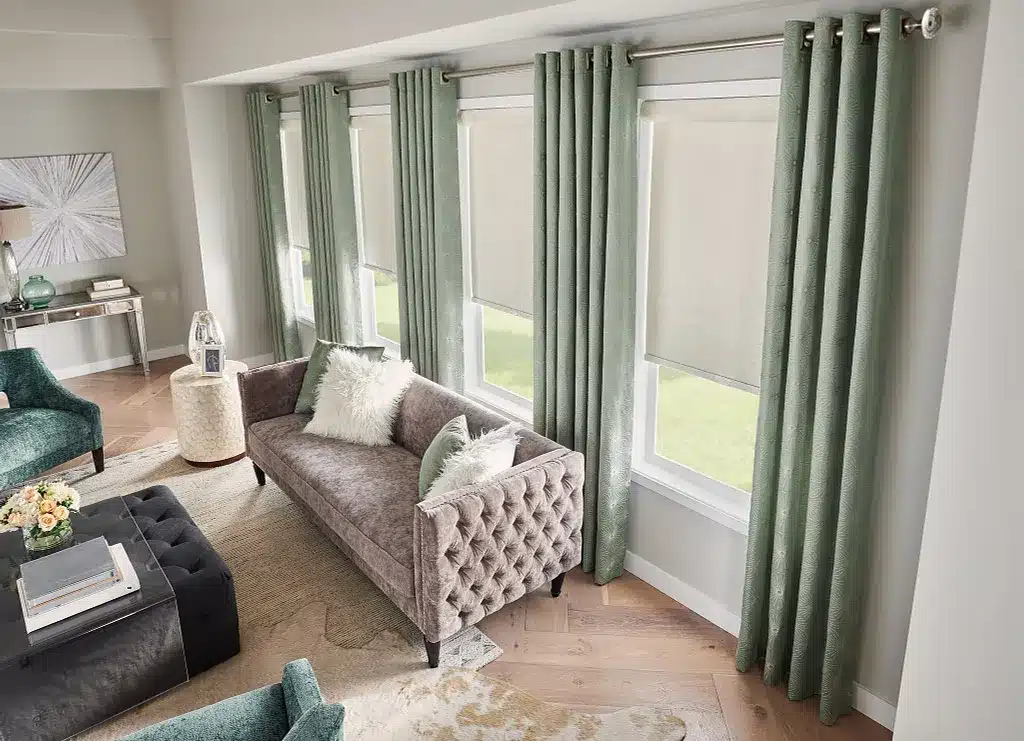
Decorative rods with rings are the traditional choice for pinch pleat, goblet, and rod pocket styles. They come in a range of metals and finishes, from polished brass and matte black to brushed nickel and oil-rubbed bronze, so the hardware becomes part of the room’s design. 

Track systems sit closer to the ceiling and are less visible, giving ripple fold and euro pleat drapery their signature clean lines. For homeowners who want automation, motorized tracks allow you to open and close your drapery with a remote, a wall switch, or your voice through Amazon Alexa, Google Home, or Apple HomeKit.

Designing Drapery Room by Room

Living Rooms and Great Rooms

The living room is usually the most visible space in the home, so the drapery here sets the tone. Lined linen or cotton panels in a pinch pleat or ripple fold style strike a balance between polished and approachable. If the room has large windows or high ceilings, full-length panels that puddle slightly on the floor add a sense of scale and luxury.

Bedrooms

Light control and privacy are the priorities. Blackout-lined drapery in velvet, cotton, or a heavier linen keeps the room dark for sleeping and muffles outside noise. Pinch pleat or rod pocket styles both work well. For master bedrooms, layering blackout panels with a sheer underneath gives you the option to let in soft, filtered light during the day.

Dining Rooms

This is where drapery gets to be dramatic. Silk or velvet in a goblet or pinch pleat style brings formality and presence to the space. Because dining rooms are typically used in the evening, lighter lining is often sufficient. The focus here is on the fabric’s visual and textural impact rather than light-blocking performance.

Home Offices

Glare control and a clean background for video calls matter more than ever. Ripple fold or grommet drapery in a solid, neutral fabric with standard or blackout lining keeps the room functional and professional. Motorized tracks are a practical addition here since you can adjust light levels without leaving your desk.

Kitchens and Casual Spaces

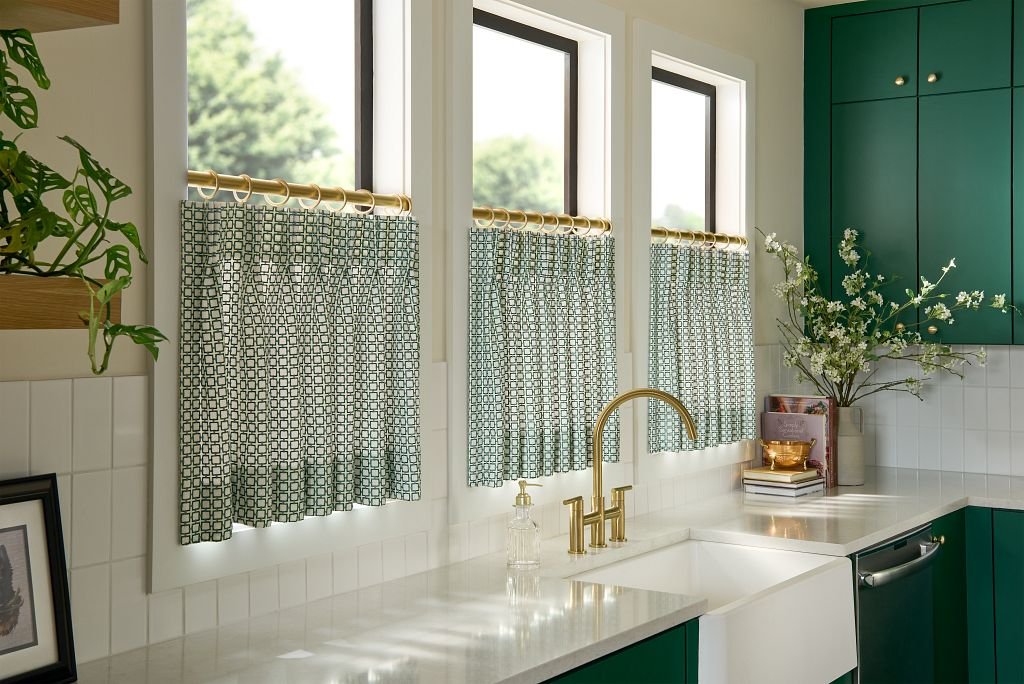
Cotton and polyester blends in a rod pocket or grommet style keep things relaxed and easy to maintain. Shorter panels or cafe-length treatments work well near countertops and sinks. If the kitchen connects to a dining or living area, coordinating the drapery fabric across the spaces creates visual continuity.

Designed Locally, Installed by the People Who Measured It

Schmitt’s Interiors is not a warehouse sending you samples in the mail. We are a design-driven business with a physical showroom in Gettysburg, PA, where you can walk in, feel the fabrics, and sit down with someone who has spent their career helping homeowners make decisions like this. Ryan and Marie Smith carry forward a tradition that Jay and Catherine Schmitt started in the 1940s, and our approach has not changed: we come to your home, we study your space, we listen to what you want, and we design a treatment that fits.

Every measurement is taken by the same team that handles the installation. That means the person who records the window depth, the frame clearance, and the ceiling height is the same person who mounts the hardware and hangs the finished panels. Nothing gets lost in translation between a sales call and a subcontractor.

We serve homeowners in Gettysburg, Littlestown, New Oxford, East Berlin, Biglerville, Fairfield, Abbottstown, McSherrystown, Hanover, Chambersburg, Carlisle, York, and throughout Adams County. If you are not sure whether your area is covered, call us at 717.334.4118.

Common Questions About Custom Drapery

Drapery is custom-made for your specific windows using heavier, lined fabrics with structured pleating and hand-finished details like blind-stitched hems and weighted corners. Curtains are lighter, typically sold in standard sizes, and designed more for decoration than performance. Custom drapery offers superior light control, insulation, durability, and fit.

Start with how you use the room. Bedrooms call for heavier fabrics with blackout lining. Living rooms and dining rooms benefit from fabrics with visual texture and drape, like linen, silk, or velvet. Kitchens and casual spaces work best with durable, easy-care cotton or polyester blends. During your design consultation, we bring fabric samples to your home so you can see and feel them in your actual lighting and alongside your existing furnishings.

Yes. Motorized drapery runs on a track system that opens and closes your panels with a remote, a wall switch, or a voice command through smart home platforms like Amazon Alexa, Google Home, or Apple HomeKit. Ripple fold and euro pleat styles are the most popular choices for motorization because they glide smoothly along the track. Battery-powered motors eliminate the need for new electrical wiring.

From your initial consultation to finished installation, the typical timeline is four to eight weeks. The consultation and measurement phase takes one to two visits. Fabrication generally takes two to four weeks depending on the complexity of the order. Our team then schedules installation at a time that works for you. We keep you updated throughout the process so there are no surprises.

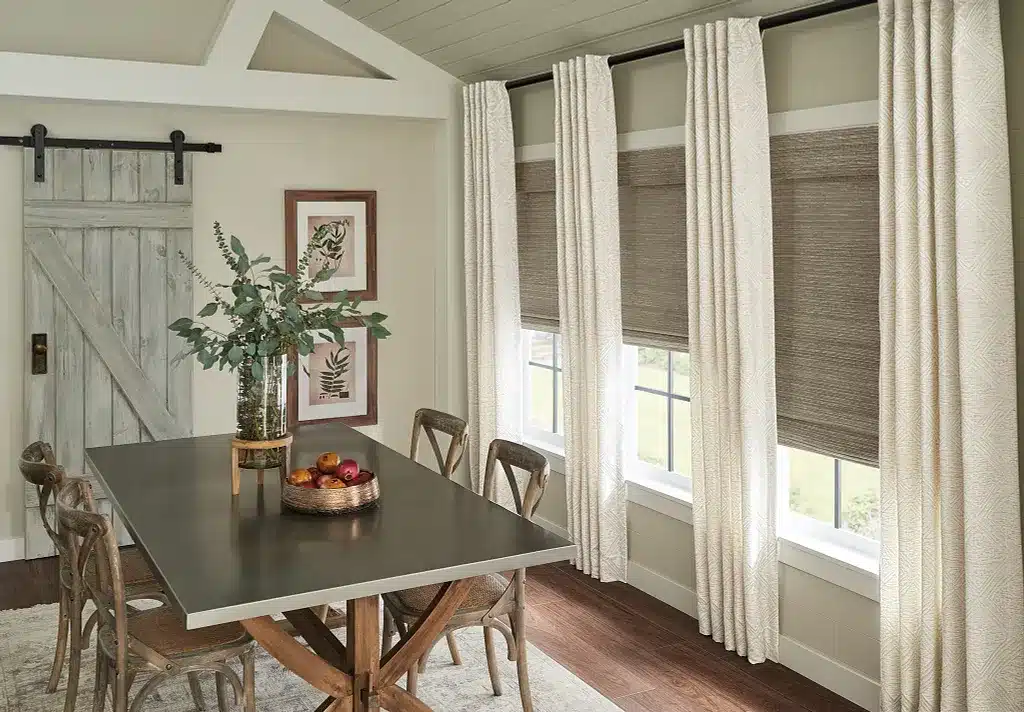
Absolutely, and this is one of the most popular approaches we recommend. Layering drapery over cellular shades or roller shades gives you the best of both worlds: the design impact and softness of fabric on the outside, with the precise light control of a shade behind it. This combination is especially effective in bedrooms and living rooms where both aesthetics and function matter.

The Room Is Almost Finished

Custom drapery is not a project you rush. The fabric needs to be right. The style needs to complement the room. The lining, the hardware, the length, the fullness: every detail contributes to the final result. That is why we start with a conversation and take the time to get it right. 

With 75 years of design experience, a showroom full of fabric options, and an installation team that has worked on everything from century-old farmhouses to newly built homes, Schmitt’s Interiors is where Gettysburg homeowners turn when they are ready to finish the room. Your free design consultation is the first step. Let us help you choose the fabric, style, and details that bring your space together.

Give Us A Call

717-334-4118

Get In Touch with
Schmitt’s Interiors